Soulmates: Beyond Romance
The idea of a soulmate has been around for centuries. Plato imagined that we were once whole beings, split apart, forever searching for our missing half. Poets and philosophers wrote about the longing to be completed by another. And in the new age world, soulmates are often described as those instant, fated connections—sometimes romantic, sometimes platonic, sometimes karmic.
Carl Jung took the concept further with his ideas of the anima and animus—the inner feminine in men, and the inner masculine in women. According to Jung, we are all walking around incomplete in some sense, carrying within us a “hidden other” that longs for expression. When we meet someone who embodies what our unconscious has been carrying, it can feel electrifying. We project those inner qualities onto them, and it’s as though we’ve known them forever.
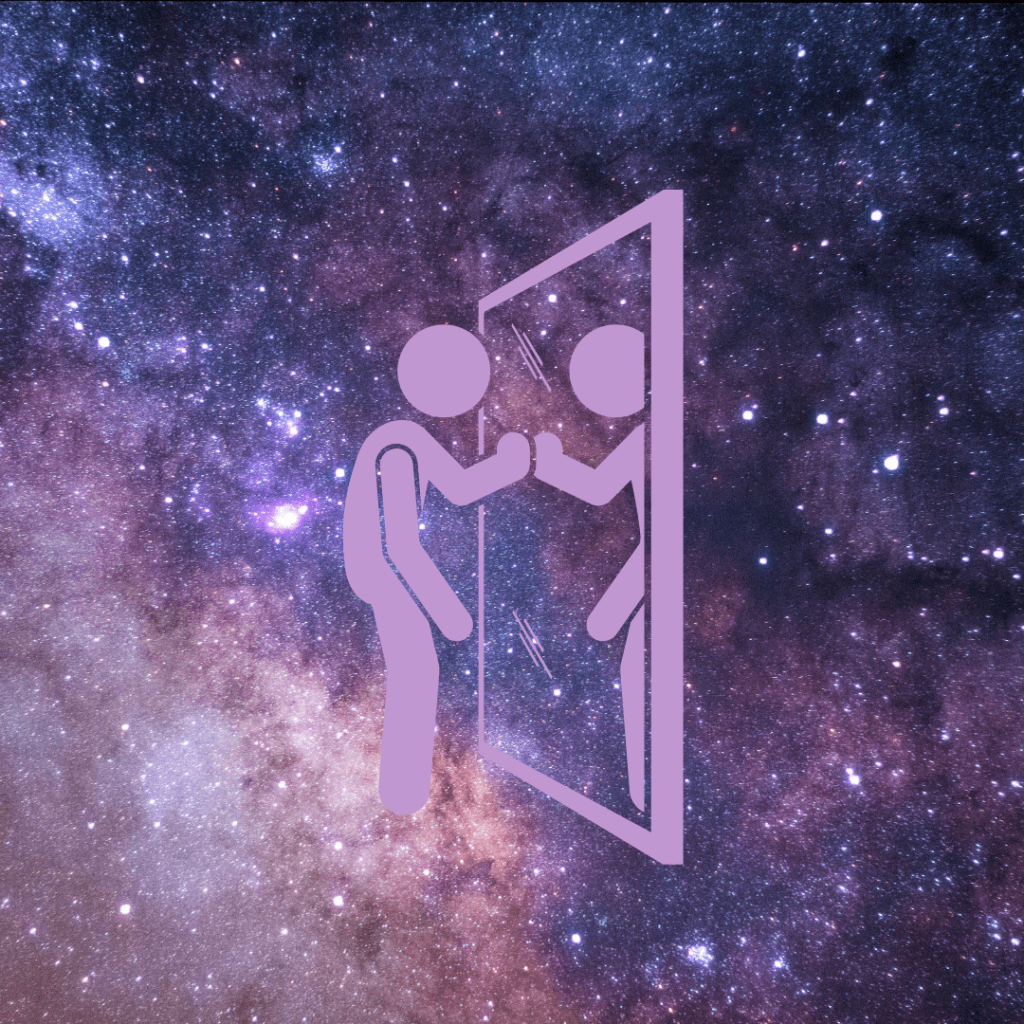
That’s why some soulmates don’t make sense logically. You meet someone and instantly feel a pull, a recognition, an undeniable energetic connection. They may not be “the one” in a fairy-tale sense, but they mirror back the parts of us we’ve forgotten, denied, or buried. Jung believed this was part of individuation—the process of becoming whole by integrating all sides of ourselves. A soulmate, then, isn’t just someone to love, but someone who awakens us to our own inner balance of masculine and feminine energies.
This means soulmates don’t always arrive as lovers. They can be family members, close friends, or brief encounters that change the course of our lives. They can be karmic connections—difficult, challenging, even painful relationships that force us to grow. They can also be companions who simply feel like home.
In the end, what defines a soulmate isn’t the role they play but the feeling. That deep, unshakable knowing. The sense of recognition beyond time, beyond reason, beyond logic.
Soulmates remind us that connection is not just romance—it’s resonance. They arrive to help us see ourselves more clearly, to balance what’s within, and to walk a little closer toward wholeness.
Soulmates don’t complete us—they awaken us.
— LC
 Vibe with Me LC