Love, Safety, and How We’re Wired
As a therapist, I often talk with clients about relationships—romantic, familial, and platonic. One truth I return to again and again is this: people don’t always love us in the ways we want them to, but in the ways they know how. Love is filtered through the nervous system, through what feels safe and familiar.
The concept of Love Languages—words of affirmation, acts of service, quality time, gifts, and physical touch—reminds us that love is expressed differently from person to person. When those expressions don’t align with our preferred language, it’s easy to feel unseen or unloved, even when care is genuinely present.
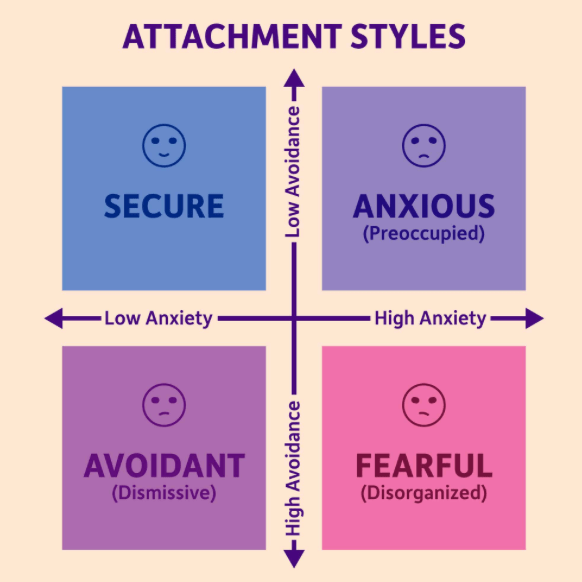
Layered on top of this are attachment styles. Someone with an avoidant or anxious attachment may struggle to show up consistently in relationships, not because they don’t care, but because their nervous system has been shaped by past experiences. In many ways, this is not unlike a shelter pet: protective, sometimes mistrustful, deeply shaped by trauma. Their behaviors are adaptations—strategies for safety, not rejection.
Trauma literally rewires our brains. It teaches us how to survive, often at the expense of ease in connection. But with awareness and compassion, we can begin to untangle these patterns, learning to both give and receive love in ways that foster safety, trust, and intimacy.
Here’s to growing in love and safety,
LC
 Vibe with Me LC