Content Note: This piece includes references to addiction and mental health experiences.
It’s Not Giving Disney Channel Anymore…
There’s something inherently fascinating about watching someone you remember from childhood television grow up in the public eye.
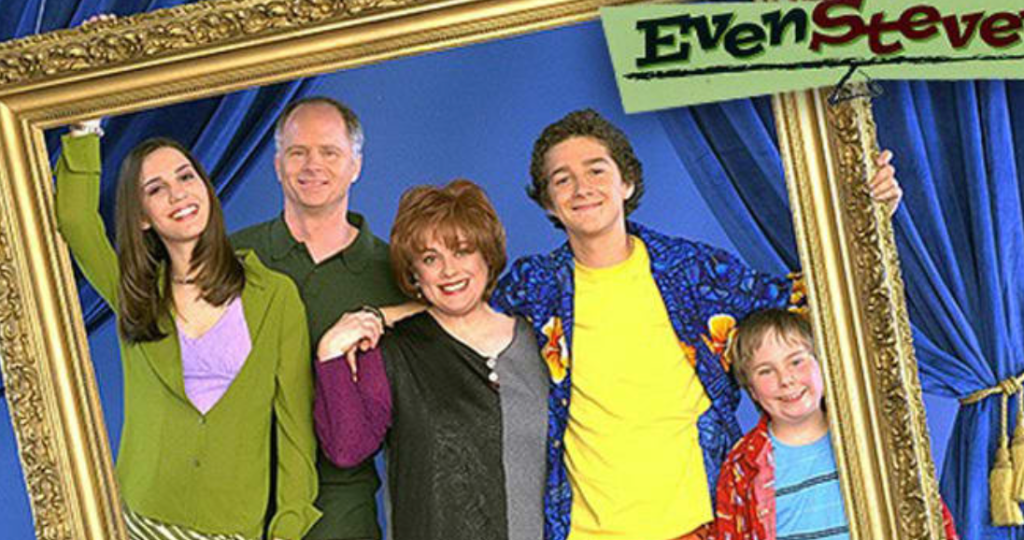
When I think of Shia LaBeouf, I think of his early days on the Disney show, Even Stevens. He played the quirky, chaotic younger brother. But he didn’t stay there. He went on to achieve significant mainstream success, starring in blockbuster franchises like Transformers, a project championed by Steven Spielberg, while also taking on more grounded, character-driven roles such as Fury.
His work during this period showcased a range that moved between commercial appeal and more nuanced, emotionally complex performances, earning both widespread visibility and moments of critical recognition. Spielberg, who also cast him in Indiana Jones and the Kingdom of the Crystal Skull, at one point viewed him as a promising next-generation lead, further solidifying his place in Hollywood’s spotlight during that era.
And then came the other headlines.
Arrests. Public outbursts. Allegations of abusive behavior. Reports of erratic behavior on sets, strained professional relationships, and deeply troubling accusations from former partners followed. Over time, he became, in many ways, a kind of cultural shorthand for “brilliant but difficult.” A narrative we often assign when talent and turmoil coexist in the same body.
But underneath those headlines is a more complex psychological picture. Patterns of dysregulation, relational instability, and reactivity don’t emerge in a vacuum. They often point to something earlier, something unresolved.
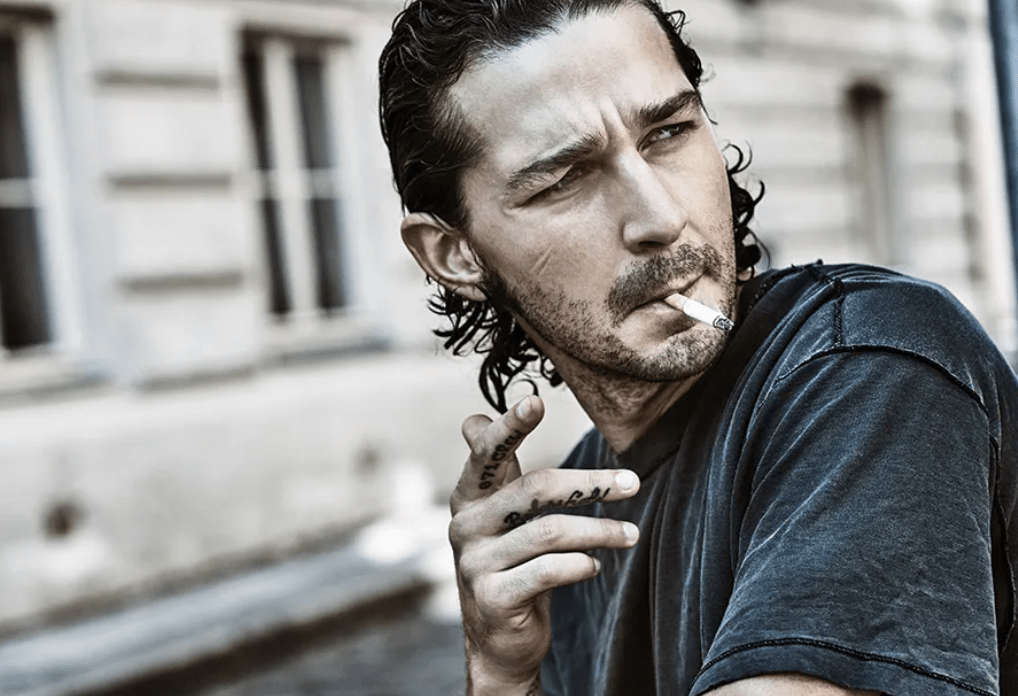
More recently, after his arrest in New Orleans following a physical altercation during Mardi Gras, he was asked whether alcohol was the problem. His response was telling. He shared that he didn’t see drinking as the root issue, but rather as a symptom, something sitting on top of something deeper. He pointed to self-esteem, his relationship with his father, and unresolved trauma.
Honey Boy (2019) is a deeply personal, semi-autobiographical film written by Shia, in which he portrays a version of his own father. It offers a raw, reflective exploration of childhood trauma, fame, and the complicated relational dynamics that helped shape his identity.
From a clinical lens, that distinction matters. Substance use, anger, impulsivity… these can function as coping strategies, however maladaptive, for underlying pain that hasn’t yet been metabolized. When someone grows up in an environment marked by instability, inconsistency, or emotional injury, the nervous system adapts. And those adaptations can later show up as behaviors that the outside world labels as “problematic,” without always understanding what they were built to protect.
It doesn’t excuse harm. But it does contextualize it.
As therapists, we’re trained to practice compassionate inquiry rather than reflexive judgment. Instead of stopping at the behavior (“drinking problem,” “anger problem,” “ego problem”), we ask: What pain is this behavior protecting?
Alcohol misuse can absolutely be a clinical disorder. Harmful behavior must be named and addressed. Accountability matters. Especially when others have been hurt. Trying to be in a romantic relationship with someone who is in active addiction and exhibiting these kinds of behaviors will, almost inevitably, cause harm to the other person on some level, as his ex-partners have spoken about openly. His relationship with Mia Goth is not one I would envy.
But beneath many self-destructive patterns is something quieter and more fragile: shame. A fractured sense of self. The constant, exhausting attempt to outrun the belief, I’m not enough.
Low self-esteem doesn’t always look like insecurity. Sometimes it looks like grandiosity. Defensiveness. Rage. Addiction. Control. Sometimes it looks like lighting your life on fire because chaos feels more familiar than intimacy.
Compassionate inquiry doesn’t excuse behavior. It seeks to understand it.
If someone says, “It’s not the drinking, it’s about something deeper,” I don’t hear minimization. I hear a clue. A doorway. A place to gently explore the original wound.
Because very often, the bottle isn’t the root.
It’s the anesthetic.
I recently came across Shia’s interview with Andrew Callaghan on Channel 5 News, which ultimately inspired me to write this piece. You can watch the full interview on YouTube.
If ads tend to pull you out of the experience, a free trial of YouTube Premium might be worth considering. Just remember to cancel before the trial ends if you don’t plan to continue the subscription.
The interview includes discussion of substance use, mental health challenges, anger and aggression, legal issues, and references to violence, homophobic language, and potentially distressing personal experiences. If these topics feel activating or sensitive for you, consider proceeding with care or choose to skip viewing.
What stood out to me most while watching the interview was that he wasn’t sober. He openly shares that he’s intoxicated to some degree as he speaks with Andrew. You can hear the brilliance. At moments, he’s deeply intellectual and articulate. But it’s fleeting. His thoughts become scattered, harder to follow, like trying to see through a smudged lens.
And when the lens is clear, when he’s sober, in earlier interviews or in his films, the contrast is striking. It really is night and day.
What feels most painful, from my perspective, is the sense that he may not fully see that difference himself… or perhaps doesn’t feel able, or willing, to hold onto it.
Here are supportive, accessible resources for addiction, whether you’re seeking help for yourself or for someone you care about:
🆘 Immediate Support & Crisis Lines
- 988 Suicide & Crisis Lifeline
Call or text 988 (24/7, free, confidential)
→ For emotional distress, crisis, or feeling overwhelmed - SAMHSA’s National Helpline
Call 1-800-662-HELP (4357)
→ Treatment referrals, detox, inpatient/outpatient options (24/7)
🔍 Finding Treatment
- FindTreatment.gov
→ Search by zip code, insurance, and level of care - Psychology Today (Therapist Finder)
→ Filter for addiction, trauma-informed, LGBTQ+, insurance, etc.
🤝 Support Groups (Free + Widely Available)
12-Step & Peer Support
- Alcoholics Anonymous (AA)
- Narcotics Anonymous (NA)
→ In-person + online meetings, global, anonymous, free
⭐ Alternatives to 12-Step
- SMART Recovery
→ CBT-based, skills-focused, self-empowerment - Refuge Recovery
→ Mindfulness + compassion-based approach
👨👩👧👦 Support for Loved Ones
- Al-Anon Family Groups
- Nar-Anon Family Groups
→ For partners, parents, friends navigating boundaries, codependency, and grief
🧠 Therapy & Medical Support
- Individual therapy (CBT, DBT, EMDR for underlying trauma)
- Medication-assisted treatment (MAT) with a prescriber
- Intensive outpatient (IOP) or residential programs when needed
💬 A gentle note (therapist-to-human)
Addiction isn’t just about substances. It’s often about pain, regulation, attachment, and survival strategies that once made sense. There’s no one “right” path to healing, but there is support, and people don’t have to do it alone.
Wishing healing to Shia, to those he’s harmed, to those who love him, and to anyone navigating the complexities of being human while facing similar struggles.
—LC
 Vibe with Me LC